Embassy Suites is well-known for providing their guests with a complimentary breakfast each morning. However, this delightful offering is only available during specific hours. In this blog post, we will reveal when you can enjoy the delicious breakfast at Embassy Suites! read more about Subway Menu
WHAT TIME DOES EMBASSY SUITE START SERVING BREAKFAST?
At Embassy Suites, the breakfast buffet is accessible from Monday to Friday between 6:30 am and 10:00 am, while on weekends, it runs from 7:00 am to 11:00 am. Additionally, a 24-hour continental breakfast option is available for those seeking a quick meal before venturing out for the day. Rest assured that no matter when you rise, a delectable breakfast awaits you at Embassy Suites!
Embassy Suites Free Breakfast Hours
| Days | Breakfast Hours |
| Monday | 6:30 AM – 9:30 AM |
| Tuesday | 6:30 AM – 9:30 AM |
| Wednesday | 6:30 AM – 9:30 AM |
| Thursday | 6:30 AM – 9:30 AM |
| Friday | 6:30 AM – 9:30 AM |
| Saturday | 6:30 AM – 10:30 AM |
| Sunday | 6:30 AM – 10:30 AM |
Embassy Suites Breakfast Menu
| Sliced fresh fruit | Sliced steap stricks |
| English muffins | Steak and egg |
| Breakfast bread butter and assorted jam | Embassy brunch |
| Fruit & cheese danish | Mini pastries |
| Homemade granola and yogurts | Breakfast enchantments |
| Bagels | Waffles |
| Sliced smoked Ham | Fruit compotes, seasonal fruit and berries |
| Rustic bread | Sweet crepes |
| Hard boiled eggs | Warm fruit compote |
| Plated breakfast | The candied nuts |
| Metropolitan | Omelettes |
| Yogurt partfait | Egg whites & Egg beaters |
| Scrambled eggs with herbs | Sausage peppers |
| Drunken bananas | Pecan smoked salmon frittata |
| Cheddar cheese peppers | Mango fruit salad bowl |
| Mushrooms and onions salsa | Irish oatmeal |
| Southern grits | Red onions asparagus |
| Blackened shrimp | Egg casserole |
| Shredded cheddar | Mixed vegetable frittata |
| Scallions | Biscuit and sausage gravy |
| Toppings provencal herbs cheddar | Hashbrowns |
| Sunrise Breakfast buffet | Dried fruits |
| Obama | Maple syrup with wipped cream |
| Grilled chicken | Apple juice |
| Turkey Sausage | Mango juice |
| Sliced roast beef | Cranberry juice |
| Market fruit salad bowl | Freshly brewed coffee |
Embassy Suites Holiday Hours
| New Year’s Day | Regular Hours |
| Martin Luther King Day | Regular Hours |
| President’s Day | Regular Hours |
| Good Friday | Regular Hours |
| Easter | Regular Hours |
| Memorial Day | Regular Hours |
| Independence Day | Regular Hours |
| Labor Day | Regular Hours |
| Columbus Day | Regular Hours |
| Veterans Day | Regular Hours |
| Thanksgiving Eve | Regular Hours |
| Thanksgiving day | Regular Hours |
| Black Friday | Regular Hours |
| Christmas Eve | Regular Hours |
| Christmas Day | Regular Hours |
| New Year’s Eve | Regular Hours |
HOW MUCH DOES BREAKFAST COST AT EMBASSY SUITES?
Embassy Suites offers a complimentary breakfast to all their guests, ensuring a delightful start to each day of your stay, be it for a single night or multiple nights. Indulge in a scrumptious breakfast without any concerns about additional costs!
WHAT TYPE OF BREAKFAST DOES EMBASSY SUITES OFFER?
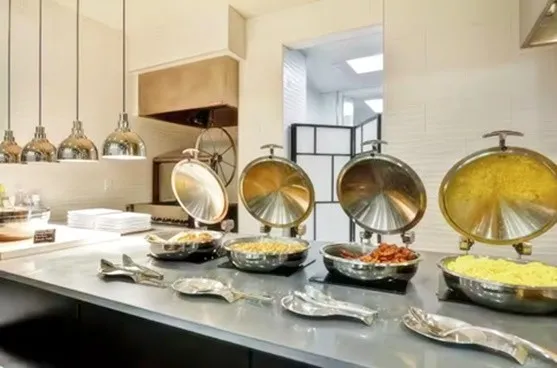
Embassy Suites presents an extensive array of breakfast options for their valued guests. The breakfast buffet features a range of items, such as eggs, bacon, sausage, oatmeal, pancakes, waffles, cereal, fruit, pastries, and more, ensuring there is something to satisfy every palate.
Regardless of when you rise, or the duration of your stay at Embassy Suites, a scrumptious breakfast is always within reach. The breakfast buffet is available from Monday to Friday and on weekends. For guests seeking a light meal before embarking on their day’s activities, a 24-hour continental breakfast is also provided. Complimentary breakfast is offered to all guests staying at Embassy Suites, so you can relish a delectable meal each morning without fretting over expenses, be it for a single night or multiple nights.
Embassy Suites presents an extensive array of breakfast options for their valued guests. The breakfast buffet features a range of items, such as eggs, bacon, sausage, oatmeal, pancakes, waffles, cereal, fruit, pastries, and more, ensuring there is something to satisfy every palate
WHAT TIME DOES EMBASSY SUITE STOP SERVING BREAKFAST?
At Embassy Suites, the breakfast buffet is accessible till 11 a.m. on weekdays and until noon on weekends, ensuring guests have ample time to indulge. For those seeking a lighter option, the continental breakfast is available daily until noon.
Whether you’re trying to catch the final moments of the buffet or simply need a quick meal before venturing out, Embassy Suites provides the perfect opportunity to savor breakfast at your leisure.
DOES EMBASSY SUITE SERVE BREAKFAST ALL DAY?
Embassy Suites does not offer breakfast all day. Both the buffet and continental breakfast are available until 11 a.m. on weekdays and 12 p.m. on weekends.
For dining options beyond these hours, the hotel features an on-site restaurant, The Bistro, serving lunch and dinner. Additionally, a variety of eateries can be found within a short walking distance from the hotel.
A Mouthwatering Array of Choices
At Embassy Suites, breakfast is not just a meal; it’s an experience. From made-to-order omelets prepared by skilled chefs to a wide array of hot and cold options, the breakfast menu caters to all tastes and dietary requirements. Delight in the delicious selection of pastries, fresh fruits, cereals, yogurt, and more, or opt for a hot and savory meal featuring bacon, sausage, and hash browns.
Allergy-Friendly Options: Your Health Matters
Embassy Suites understands the importance of catering to the needs of guests with allergies or dietary restrictions. The breakfast spread includes gluten-free, dairy-free, and vegetarian options, ensuring that everyone can enjoy a satisfying and nutritious meal. Expert culinary staff is also available to assist with any specific dietary needs, providing personalized service that makes you feel at home.
The Embassy Suites Difference: Quality and Service
Embassy Suites sets itself apart by offering a complimentary breakfast for all guests, unlike many other hotels that charge extra for this essential morning service. The combination of high-quality ingredients, exceptional presentation, and friendly staff creates a breakfast experience that is second to none.
Business Travelers: Embassy Suites Has You Covered
Embassy Suites is especially attuned to the needs of business travelers, understanding the importance of a nutritious and satisfying breakfast to kick-start a busy day. The complimentary breakfast, combined with comfortable workspaces and complimentary Wi-Fi, allows you to get work done before heading out for meetings or conferences. The flexible breakfast hours ensure that you can fit in a delicious meal, no matter how early your day begins.
Families: A Memorable Morning for All Ages
For families traveling with children, Embassy Suites offers an unparalleled breakfast experience that caters to the tastes of both young and old. The hotel’s made-to-order omelet station and wide variety of breakfast options provide something for everyone, keeping even the pickiest of eaters happy. And with the Embassy Suites breakfast hours extending later into the morning on weekends, families can enjoy a more relaxed and unhurried start to their day.
Sustainability: Embassy Suites’ Green Initiatives
Embassy Suites is dedicated to sustainability and minimizing its environmental impact. The hotel chain focuses on sourcing local and organic ingredients for its breakfast offerings whenever possible, reducing its carbon footprint and supporting local farmers. Additionally, Embassy Suites incorporates eco-friendly practices such as waste reduction and energy conservation in its daily operations, ensuring that your stay is not only enjoyable but also environmentally responsible.
Embassy Suites’ Loyalty Program: Hilton Honors
As a member of the Hilton family, Embassy Suites participates in the Hilton Honors loyalty program. This means that guests can earn points for their stays, which can then be redeemed for free nights, upgrades, and other exclusive benefits. By enjoying Embassy Suites’ complimentary breakfast and taking advantage of the Hilton Honors program, you’ll experience even greater value during your stay.
Final Thoughts: Your Perfect Morning Awaits at Embassy Suites
Embassy Suites’ breakfast hours, tantalizing menu options, and commitment to excellence have solidified its reputation as a top choice for travelers seeking exceptional morning dining experiences. With its focus on guest satisfaction and a passion for quality service, Embassy Suites is the ultimate destination for a morning meal that leaves you feeling energized and ready to seize the day. Don’t miss out on this unique opportunity to start your day with the finest Embassy Suites has to offer – book your stay today!
Frequently Asked Questions
Q: Are the Embassy Suites breakfast hours the same at all locations?
A: While breakfast hours are generally consistent across Embassy Suites properties, there may be slight variations depending on the location. It’s always best to check with your specific hotel to confirm their breakfast hours.
Q: Does Embassy Suites offer room service for breakfast?
A: Some Embassy Suites locations may offer room service for breakfast at an additional charge. Please check with your hotel to inquire about this service and associated fees.
Q: Can I get breakfast at Embassy Suites if I am not a guest?
A: Embassy Suites’ complimentary breakfast is an exclusive benefit for hotel guests. However, some locations may offer a paid breakfast option for non-guests. Contact the hotel directly to inquire about availability and pricing.
Q: Are there vegan options available at Embassy Suites breakfast?
A: Embassy Suites offers a variety of plant-based options during breakfast, including fresh fruits, cereals, and dairy-free milk alternatives. For additional vegan options or specific dietary needs, please consult with the hotel staff.